Evaluating the Archeology Linear Icons Set for Design Projects
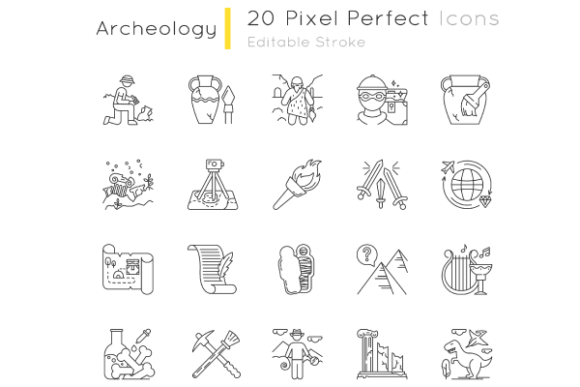
Selecting appropriate visual assets is a critical step in developing educational materials, museum exhibits, or digital applications focused on history and anthropology. The Archeology Linear Icons Set offers a specialized collection of thin line contour symbols designed specifically for this niche. Rather than relying on generic historical imagery, this set provides isolated vector outline illustrations that cover specific aspects of the discipline, including excavation, ancient artifacts, old culture representation, field research, restoration processes, and traditional tools like the flambeau. For designers and researchers evaluating their options, understanding the technical specifications and practical applications of this pixel-perfect linear icon set is essential for making an informed decision.
Defining the Asset Collection
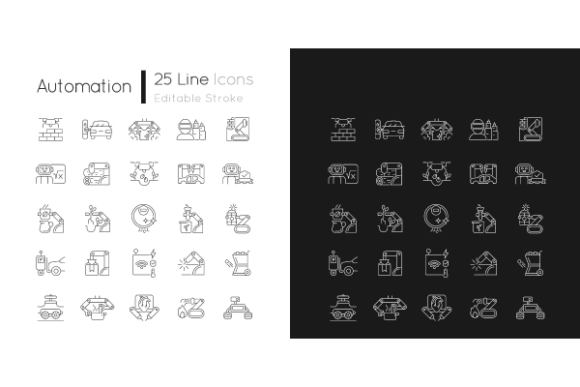
The Archeology Linear Icons Set is distinct from general history clip art due to its adherence to a consistent linear aesthetic. Each icon is constructed using editable strokes, allowing users to modify line weight without losing resolution or clarity. This technical feature is significant for projects requiring scalability across different media sizes, from mobile app screen pages to large-format brochure templates. The collection encompasses the full workflow of archaeological study. It moves beyond simple depictions of pottery or ruins to include functional representations of field research methodology and restoration efforts. This comprehensive approach ensures that visual narratives can address both the discovery and preservation aspects of ancient cultures.
Availability in multiple file formats, including JPEG, AI, PNG, EPS, and SVG, addresses diverse workflow requirements. Vector formats like AI, EPS, and SVG are necessary for print production and responsive web design, while raster formats like PNG and JPEG offer immediate compatibility with presentation software and basic document editing. This versatility reduces the need for format conversion, streamlining the integration process for teams with varying technical capabilities.
Strategic Fit for Specific Use Cases
Evaluating whether this specific set aligns with project goals requires analyzing the intended audience and medium. The linear style is particularly effective for interfaces and informational graphics where clarity takes precedence over decorative detail. In mobile application design, for example, thin line contours occupy less visual space than filled glyphs, reducing cognitive load on smaller screens. This makes the set a strong candidate for educational apps, museum guide interfaces, or academic databases where users need to quickly identify categories such as "excavation sites" or "artifact restoration."
For print media, such as infographic elements or academic posters, the pixel-perfect nature of these vectors ensures crisp edges at any scale. When creating brochure templates for cultural heritage sites, the ability to edit stroke width allows designers to establish a visual hierarchy that matches existing brand guidelines. If a publication uses a delicate serif typeface, a thinner stroke weight maintains typographic harmony. Conversely, bold headers can be matched with heavier icon lines. This adaptability is a primary advantage over static image assets that cannot be visually tuned to fit a specific layout.
Benefits and Practical Advantages
The primary benefit of adopting a cohesive set like this is visual consistency. Sourcing individual icons from disparate creators often results in mismatched line weights, varying corner radii, and inconsistent perspective. The Archeology Linear Icons Set eliminates this friction by providing a unified design language. This consistency is crucial for professional outputs where disjointed visuals can undermine credibility. For organizations producing regular content, such as BSD studio clients or internal design teams, having a reliable library saves significant time on custom illustration work.
Furthermore, the inclusion of specialized terminology and concepts adds semantic value. Generic icon packs may offer a "shovel" or a "vase," but they rarely distinguish between modern construction tools and archaeological trowels, or between decorative art and scientific restoration equipment. By accurately representing field research and specific cultural artifacts, this set supports accurate communication. This level of specificity is valuable for subject matter experts who require visuals that reflect the actual practice of archaeology rather than pop-culture stereotypes.
Tradeoffs and Considerations
While linear icons offer numerous advantages, they are not universally applicable. Designers must consider the context of use before selecting this style. Thin line contours can struggle with visibility in low-contrast environments or when scaled down to extremely small sizes, such as favicons or dense data tables. In these scenarios, filled or solid icons often perform better regarding accessibility and legibility. Evaluators should test the editable stroke settings at the smallest intended display size to ensure the icons remain recognizable.
Additionally, the minimalist nature of linear outlines means they lack texture and shading. For projects aiming to evoke the tactile sensation of ancient artifacts or the atmospheric quality of an excavation site, these icons may feel too clinical or abstract. They function best as navigational aids, categorical markers, or diagrammatic elements rather than as standalone illustrative art. Users seeking rich, detailed scenes depicting old culture or dramatic historical reenactments will likely find this set insufficient on its own and may need to pair it with photography or complex illustrations.
Comparing Alternatives and Decision Factors
When comparing the Archeology Linear Icons Set against alternatives, several factors should guide the decision. Free open-source libraries provide cost savings but often lack the niche specificity required for professional archaeological content. Custom illustration offers total control but incurs significantly higher costs and longer lead times. This set occupies a middle ground, offering specialized content at a fraction of the cost of bespoke work while maintaining higher quality standards than free repositories.
Decision-makers should also evaluate the licensing and source reliability. Obtaining assets from established providers ensures that files are properly organized, technically sound, and legally cleared for commercial or educational use. The mention of BSD studio suggests a curated environment where products are vetted for quality. When browsing for brochure templates, infographic elements, or mobile app assets, verifying that the provider offers consistent updates and support can mitigate long-term risks associated with digital asset management.
Final Evaluation Criteria
Ultimately, the suitability of the Archeology Linear Icons Set depends on the intersection of aesthetic requirements, technical needs, and budget constraints. It represents a practical solution for projects demanding accurate, scalable, and consistent representations of archaeological themes. The combination of editable vector formats and specialized subject matter makes it a high-value asset for designers working in education, heritage tourism, and academic publishing.
However, successful implementation requires acknowledging its limitations regarding visual weight and emotional resonance. By treating these icons as functional components within a broader design system rather than standalone solutions, users can maximize their utility. For those prioritizing efficiency and professional consistency in their search for icons, this collection provides a reliable foundation. Evaluating these factors against specific project parameters will determine whether this set serves as the optimal visual vocabulary for communicating the complexities of excavation, restoration, and ancient history.