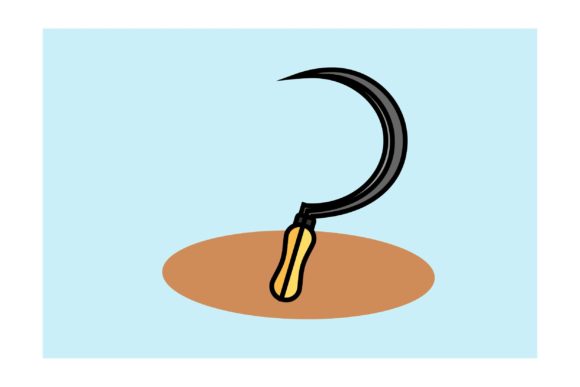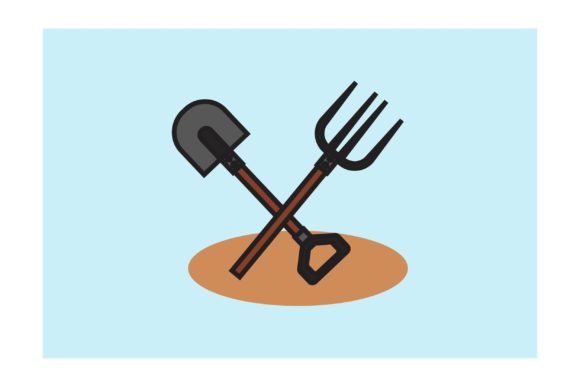
Flat Icon - Agriculture Hoe: Maximizing Design Value and Avoiding Common Pitfalls
Visual communication in the agricultural sector requires a delicate balance between rustic authenticity and modern digital clarity. When you integrate a Flat Icon - Agriculture Hoe into your design workflow, you are not merely placing a picture of a tool; you are signaling cultivation, growth, traditional farming methods, or sustainable gardening practices. This specific asset serves as a versatile visual anchor for projects ranging from agri-tech landing pages to educational infographics about soil management. However, the difference between a professional-grade presentation and an amateurish layout often lies in how the asset is selected, formatted, and applied. Understanding the technical and aesthetic nuances of this icon ensures that your investment translates into effective communication rather than a design afterthought.
Selecting the Correct File Format for Your Workflow
One of the most frequent mistakes designers and marketers make is defaulting to the most accessible file format rather than the most appropriate one. This Flat Icon - Agriculture Hoe package includes AI File, EPS File, PNG File, and JPG File options, each serving a distinct purpose. Using a JPG for a logo placement or a transparent overlay is a critical error that results in unsightly white boxes and pixelation when resized. Conversely, sending a raw AI file to a social media manager who lacks Adobe Illustrator creates unnecessary bottlenecks.
To avoid these usability issues, you must match the format to the medium. The AI File and EPS File are vector-based sources intended for print production, large-format banners, and extensive editing. These formats allow you to scale the agriculture hoe to the size of a billboard without losing a single pixel of quality. They also enable you to modify colors to match your brand guidelines perfectly. If you are designing a business card or a trade show backdrop, never use raster images; stick to these vectors.
For digital applications, the PNG File is typically your best choice for web graphics, app interfaces, and presentations where transparency is required. It preserves crisp edges against any background color. The JPG File should be reserved strictly for photographic compositions or platforms that do not support transparency. By categorizing your usage before opening the files, you save hours of reformatting and prevent the degradation of visual quality that occurs when converting between incompatible formats repeatedly.
Contextual Relevance and Visual Hierarchy
A common oversight when using agricultural iconography is treating the symbol as generic clip art rather than a contextual element. A flat icon of a hoe carries specific semantic weight; it implies manual labor, soil preparation, and small-scale or organic farming. If your project focuses on industrial combine harvesters or automated hydroponics, this specific icon might create cognitive dissonance for your audience. Before finalizing your design, evaluate whether the Flat Icon - Agriculture Hoe accurately represents the specific niche of agriculture you are addressing.
Furthermore, consider the visual weight of the icon relative to surrounding elements. In flat design, consistency is paramount. If your other icons utilize a 2px stroke weight and rounded corners, but this agriculture hoe features sharp angles and solid fills, the inconsistency will distract viewers. You can utilize the included AI or EPS files to adjust the stroke width, corner radius, or internal detailing to ensure it harmonizes with your existing icon set. Neglecting this step makes even high-quality assets look like mismatched placeholders.
Color Psychology and Brand Alignment
While flat icons are often monochromatic by default, failing to adapt the color palette to your specific message is a missed opportunity. Green is the obvious choice for agriculture, but it is not always the correct one. A dark, earthy brown might better represent soil health and composting, while a vibrant orange could signify harvest season or autumn promotions. Using the default color without consideration can make your design feel generic. Always customize the hue to align with the emotional tone of your campaign, whether that is sustainability, productivity, or heritage.
Technical Optimization for Digital Performance
In the rush to publish content, many users overlook file optimization, leading to slow-loading landing pages and sluggish social media feeds. Even though flat icons are inherently lightweight, unoptimized exports can still bloat your site. When exporting the PNG or JPG versions of the Flat Icon - Agriculture Hoe, ensure you are selecting the appropriate resolution. Uploading a 2000px wide icon for a 64px favicon slot wastes bandwidth and can actually render poorly due to browser scaling algorithms.
Always export at the exact dimensions needed or slightly larger for retina displays, but never excessively large. Additionally, if you are using the SVG or PNG format on a website, consider running the file through a compression tool. This maintains visual fidelity while reducing load times, which is a crucial factor for both user experience and SEO rankings. Remember that performance is part of design quality; a beautiful icon that causes a layout shift or delay undermines its own purpose.
Licensing and Commercial Application Awareness
Thank you for purchasing this product. With ownership comes the responsibility of understanding usage rights. A frequent misunderstanding involves assuming that "purchase" equals "unrestricted use." While this asset is cleared for marketing, promotion, advertising, and pitching, you should always verify if there are limitations regarding resale, redistribution, or trademarking. For instance, you generally cannot resell the icon itself as a standalone digital product, nor can you trademark a logo composed solely of this unmodified icon.
For entrepreneurs and small business owners, this distinction is vital. If you intend to use the Flat Icon - Agriculture Hoe as a primary logo mark, significant modification is usually required to establish distinctiveness and avoid legal conflicts. Use the editable vector files to alter the shape, combine it with typography, or integrate it into a larger composite mark. This not only keeps you compliant but also ensures your brand identity remains unique in a crowded marketplace.
Practical Applications Across Media
The versatility of this asset extends far beyond simple decoration. To get the most value, think strategically about placement and function:
- Landing Pages: Use the icon as a visual bullet point to break up dense text about farming techniques or product features, improving readability and scanning behavior.
- Social Media Posts: Incorporate the hoe icon into carousel slides or story templates to maintain visual continuity across a multi-part educational series.
- Presentations: Replace standard bullet points with thematic icons to reinforce the agricultural topic visually without adding clutter.
- Infographics: Use the icon as a node in process diagrams illustrating planting cycles or tool maintenance schedules.
- Packaging and Print: Utilize the high-resolution EPS version for product labels, seed packets, or instructional manuals where clarity at small sizes is essential.
By approaching the Flat Icon - Agriculture Hoe with intentionality regarding format, context, and application, you transform a simple graphic element into a powerful communication tool. Avoid the temptation to use it as a quick fix; instead, treat it as a foundational component of your visual strategy. Whether you are creating a pitch deck for investors or a blog post for home gardeners, the careful application of this asset enhances professionalism and ensures your message resonates clearly with your target audience. Hope you like it and find it instrumental in your upcoming creative projects.