College Admission Stages Vector Design Guide
Transforming complex application procedures into clear, engaging visuals is a cornerstone of effective educational communication, and a high-quality College Admission Stages Vector serves as the perfect foundation for this task. For graphic designers and marketing teams working within higher education, the ability to visualize data is just as important as the data itself. When you utilize a dedicated college admission stages vector infographic template, you are not merely filling space; you are creating a strategic visual hierarchy that guides prospective students through a critical journey with clarity and confidence.
The Role of Visual Assets in Educational Branding
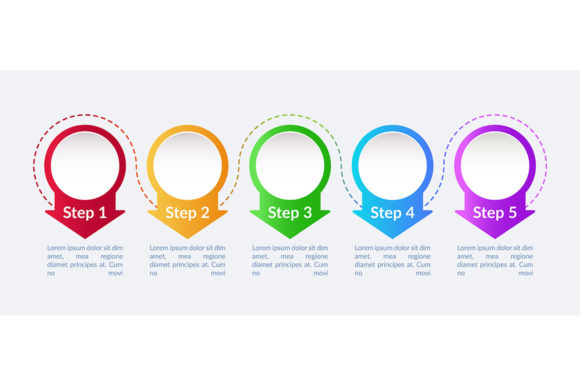
In modern graphic design, particularly within the education sector, brand identity relies heavily on consistency and accessibility. A process timeline chart designed with colourful presentation design elements does more than list requirements; it reinforces institutional branding while reducing cognitive load for the viewer. Admissions processes are inherently stressful, and thoughtful visual design can alleviate anxiety by breaking down overwhelming information into digestible segments. By integrating a workflow layout with copyspace, designers ensure that the aesthetic supports the message rather than competing with it. This balance is essential for maintaining professional presentation standards across brochures, websites, and orientation materials.
Practical Applications Across Media
Versatility is key when selecting creative assets for multi-channel campaigns. The true value of these vector resources lies in their adaptability across various touchpoints in the student recruitment funnel:
- Digital Marketing & Social Media: Simplified versions of the 5-step process work exceptionally well as carousel posts or stories, driving engagement through bite-sized visual content.
- Editorial Design & Print: High-resolution vectors maintain crisp edges in prospectuses and mailers, ensuring typography and icons remain legible at any scale.
- Web Design & UI: SVG formats allow for responsive scaling on university portals, enhancing user experience without compromising page load speeds.
- Presentation Decks: Admissions officers can use pre-designed slides to maintain visual consistency during school visits and virtual open houses.
Technical Flexibility and File Formats
Professional design workflows demand technical flexibility. A comprehensive ZIP file containing EPS, JPG, PNG, SVG, and AI formats ensures compatibility across the entire creative stack. Adobe Illustrator (AI) and Encapsulated PostScript (EPS) files provide the editable source material necessary for customizing color palettes to match specific university brand guidelines. Meanwhile, SVG files are indispensable for web designers focusing on performance and scalability, while PNG and JPG formats offer immediate utility for quick mockups or non-designer stakeholders. This multi-format approach streamlines collaboration between departments, ensuring that everyone from the social media manager to the print vendor has the exact asset they need.
Best Practices for Customization and Layout
When implementing a data visualization with 5 steps, designers must prioritize readability and flow. Effective use of whitespace—or copyspace—is not an afterthought; it is a deliberate design choice that directs the eye. When customizing your template, consider the following principles to elevate the final output:
- Maintain Visual Hierarchy: Ensure the numbering or directional flow is unmistakable. Use size and color contrast to distinguish active steps from completed ones.
- Typography Pairing: Select typefaces that align with the institution’s existing brand system. Avoid overcrowding text areas; concise copy paired with strong iconography yields better retention.
- Color Psychology: Utilize the colourful presentation design elements strategically. Warm tones might suggest welcome and community, while cool blues often convey trust and academic rigor.
- Accessibility Compliance: Always check contrast ratios between text and background colors to ensure the infographic is readable for users with visual impairments.
Ultimately, the goal of incorporating a College Admission Stages Vector into your creative projects is to bridge the gap between administrative complexity and human connection. Quality creative assets do more than save time; they elevate the perceived value of the institution and demonstrate a commitment to clear, student-centered communication. By thoughtfully applying these design resources, marketers and designers can turn a standard procedural list into a compelling narrative element that strengthens brand identity and improves the overall applicant experience.