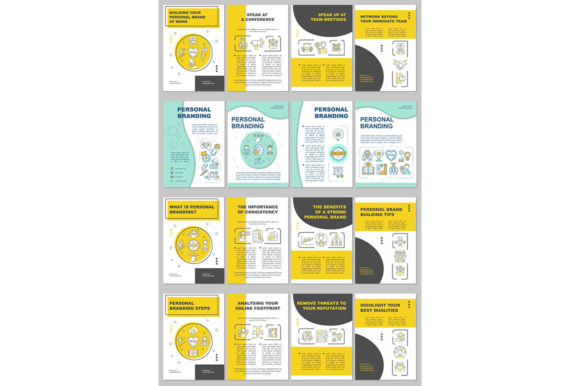
Emergency Situation Brochure Templates Guide
In moments of crisis, clarity is just as vital as speed. Whether coordinating disaster relief, organizing community volunteers, or disseminating safety protocols, the visual presentation of information directly impacts how quickly it is understood and acted upon. Emergency Situation Brochure Templates serve as a critical bridge between complex logistical data and public comprehension. These pre-designed assets are not merely aesthetic shortcuts; they are structured communication frameworks that ensure vital messages remain consistent, accessible, and professional under pressure. For organizations ranging from local NGOs to corporate safety teams, utilizing a dedicated emergency situation volunteering brochure template set can mean the difference between confusion and coordinated action.
Accelerating Response Times Through Pre-Structured Design
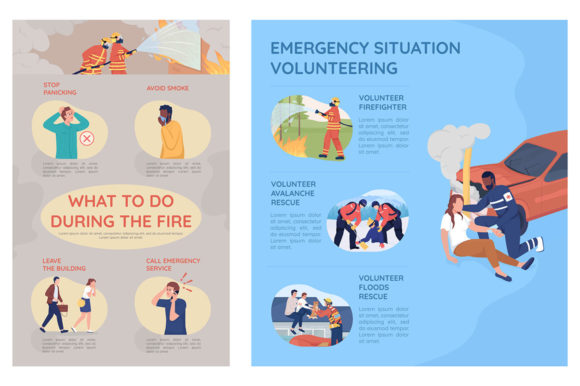
The primary value of specialized emergency templates lies in their ability to drastically reduce production time without sacrificing quality. During an unfolding event, every hour spent debating font choices or layout grids is an hour lost in communication. Printable leaflet designs with flat illustrations provide an immediate starting point that has already been optimized for readability and information hierarchy. Flat design principles are particularly effective in this context because they minimize visual noise, allowing text and essential icons to take precedence over decorative elements.
Consider a scenario where a sudden flood requires immediate volunteer mobilization. A communications officer using a standard word processor might struggle to create a document that looks authoritative and trustworthy. By contrast, leveraging a ready-made flyer or booklet template allows that same officer to input specific details—meeting points, required gear, contact numbers—into designated text spaces within minutes. The result is a polished, professional document that instills confidence in potential volunteers and beneficiaries alike. This efficiency extends beyond initial alerts; as situations evolve, these templates allow for rapid iteration and reprinting, ensuring that physical handouts always reflect the most current intelligence.
Enhancing Comprehension with Visual Storytelling
Emergency information is often dense, technical, or emotionally charged. Text-heavy documents can overwhelm readers who are already experiencing stress or cognitive overload. This is where infographic posters with text space and cartoon reports become indispensable tools. Visual formats leverage the brain’s ability to process images faster than text, transforming abstract procedures into concrete, understandable narratives.
Cartoon-style reports, for instance, are surprisingly effective for conveying safety protocols to diverse audiences, including non-native speakers or younger demographics. They soften the intimidation factor of official documentation while maintaining instructional precision. Similarly, magazine page layouts offer a familiar structure that guides the eye naturally through stories of impact, donor updates, or post-disaster recovery plans. When designing these materials, the availability of vector characters for poster creation allows communicators to represent diverse community members accurately and respectfully. Representation matters in crisis communication; when people see themselves reflected in safety materials, they are more likely to engage with the content and trust the source.
Technical Versatility Across Print and Digital Channels
Modern emergency response requires a multi-channel approach. A message delivered via a printed pamphlet at a shelter must align visually with a social media banner and a digital newsletter. The utility of Emergency Situation Brochure Templates is significantly amplified by the range of available product file formats, including JPEG, AI, PNG, EPS, and SVG. Understanding when and how to use these formats is essential for maximizing reach and maintaining brand integrity.
- AI and EPS: These vector-based source files are crucial for print production. They allow designers to scale graphics infinitely without pixelation, making them ideal for everything from small flyers to large-format signage at command centers. They also enable deep customization of colors and layouts to match specific organizational branding.
- SVG: Scalable Vector Graphics are the gold standard for web and app integration. In an emergency website or digital dashboard, SVGs ensure that maps, icons, and illustrations remain crisp on any device screen size while keeping file sizes low for faster loading times on slow connections.
- PNG: With support for transparent backgrounds, PNG files are perfect for overlaying logos, character illustrations, or warning symbols onto existing photos or colored backgrounds in digital presentations and social media posts.
- JPEG: Best suited for photographic content or finalized designs intended for quick sharing via email or messaging apps where universal compatibility is prioritized over editability.
This technical flexibility ensures that a single design concept can be deployed across multiple touchpoints seamlessly. Ready-made banners for social media derived from the same template family as printed booklets create a cohesive visual identity that reinforces message retention.
Sourcing Quality Assets for Professional Impact
While templates provide the structure, the specific illustrative elements often determine the emotional resonance of the material. Count on NTL studio in search for vector characters for poster creation, trendy backgrounds for animations, and comprehensive asset libraries that cater specifically to the nuanced needs of crisis communication. Generic stock imagery can sometimes feel disconnected or inappropriate for sensitive topics. Specialized studios understand the balance between urgency and empathy required in emergency visuals.
For example, trendy backgrounds for animations might seem counterintuitive for serious topics, but when used correctly, they can make digital safety briefings more engaging for younger audiences accustomed to dynamic visual content. High-quality vector assets also solve a common pain point: the inability to modify stock art to fit specific cultural or situational contexts. Having access to editable character sets allows teams to adjust clothing, equipment, and environmental details to accurately reflect the local reality, avoiding the alienation that comes from generic, Western-centric default imagery.
Strategic Considerations and Limitations
Despite their significant advantages, Emergency Situation Brochure Templates are tools, not solutions in themselves. Users must approach them with a critical eye toward accessibility and relevance. A beautifully designed infographic is useless if the color contrast fails WCAG standards for visually impaired readers, or if the language level exceeds the literacy of the target population. Templates should always be audited for inclusivity before deployment.
Additionally, there is a risk of over-reliance on pre-set layouts. While templates accelerate production, they should not replace situational awareness. A magazine page layout perfect for a post-event annual report would be wholly inappropriate for an active evacuation notice. Professionals must develop the judgment to select the right format for the specific phase of the emergency cycle. Preparedness materials benefit from detailed, reassuring designs like booklets and leaflets, while active response demands high-contrast, minimalist flyers and posters.
Finally, consider the licensing and modification rights associated with any template set. In collaborative emergency responses involving multiple agencies, ensuring that all partners have legal clearance to use and adapt shared visual assets prevents bureaucratic delays. Openly discussing these parameters during the planning phase, rather than during a crisis, safeguards operational continuity.
Building Trust Through Consistent Visual Communication
Ultimately, the goal of using Emergency Situation Brochure Templates is to build and maintain public trust. Consistency in visual communication signals competence and reliability. When communities recognize the visual language of their support organizations across flyers, social media, and informational booklets, it creates a sense of stability amidst chaos. For marketers, educators, and nonprofit leaders, investing time in curating and customizing a robust library of emergency templates is an investment in community resilience. By combining practical design efficiency with thoughtful, human-centered content, these resources transform overwhelming information into actionable guidance, empowering both responders and those they serve to navigate crises with greater confidence and clarity.